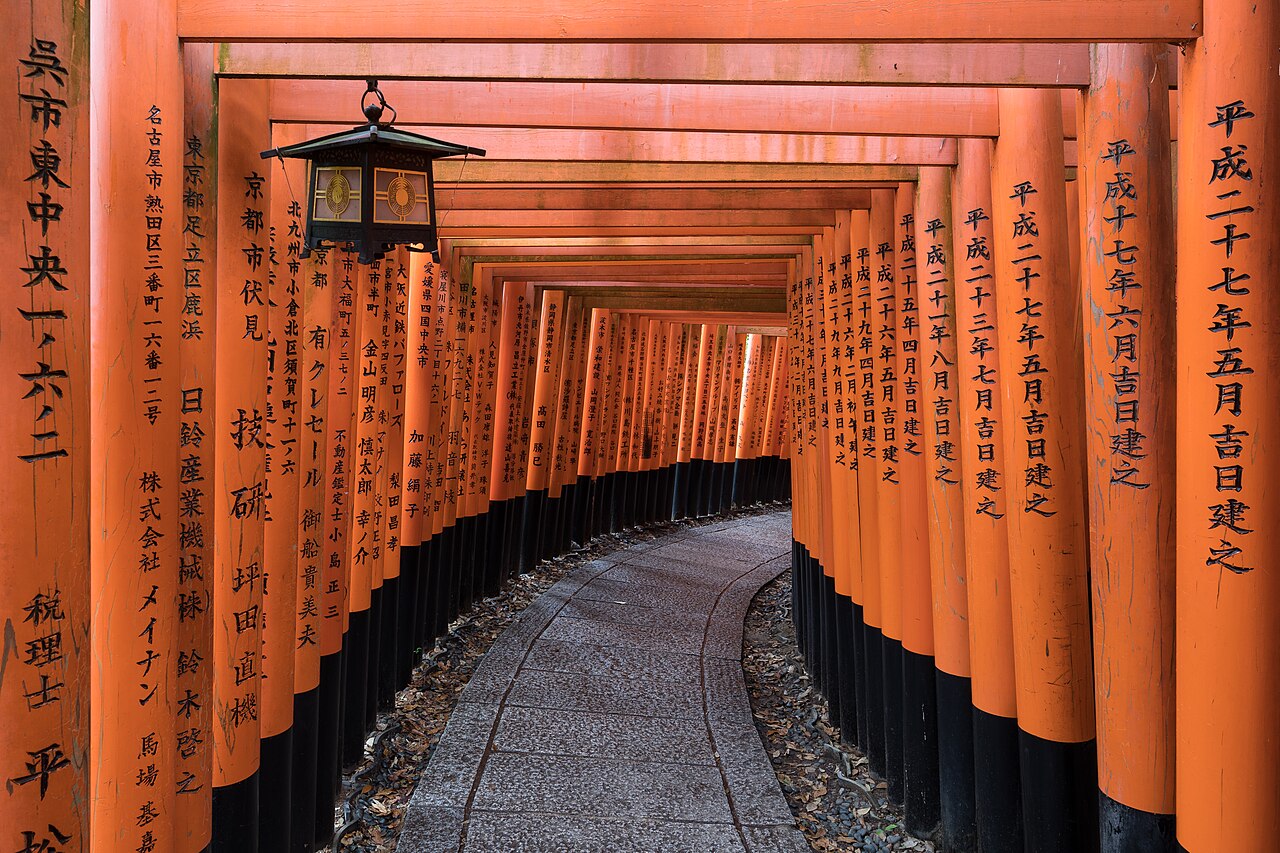
Kyoto was Japan's capital for more than a thousand years, and it still feels like the country's memory. Emperors, tea masters, monks, and master craftsmen all left their mark here, and the city has a habit of turning everyday things — a cup of tea, a sweet, a folding fan — into small works of art. That is exactly what makes Kyoto such a rewarding place to shop. The best Kyoto souvenirs are not generic gifts with the city's name printed on them. They are things Kyotoites have been making, eating, and giving for centuries, each carrying a little piece of the city's story. Here are five to look for.
Seeing Kyoto
Most first-time visitors spend their days in the east of the city, and for good reason. Start in Gion, Kyoto's famous geisha district, where wooden machiya townhouses line Hanamikoji Street and you may glimpse a maiko hurrying to an evening appointment. From there, walk up the preserved lanes of Sannenzaka and Ninenzaka to Kiyomizu-dera Temple, whose great wooden stage looks out over the city. Along the way you will pass teahouses, sweet shops, pottery studios, and fan makers — many of the souvenirs below come from these very streets. Give yourself time to wander: in Kyoto, shopping is not separate from sightseeing. It is part of it.
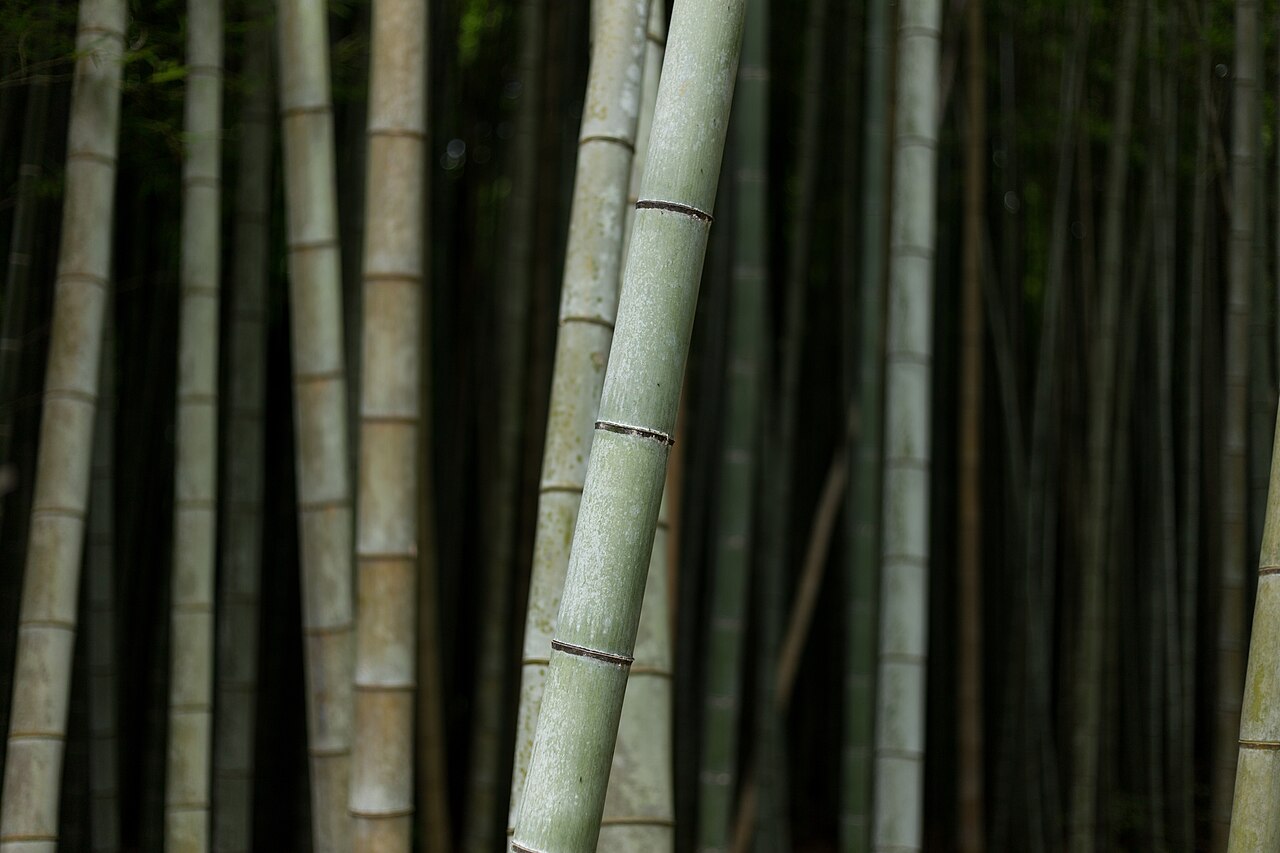
1. Uji Matcha and Matcha Sweets
Just south of Kyoto lies Uji, a small city synonymous with Japan's finest green tea. Tea has been grown there since the 13th century, and the shaded fields along the Uji River produce leaves prized for their deep color and gentle umami. Matcha — stone-ground powdered green tea — became central to Kyoto culture through the tea ceremony, which was refined here by masters such as Sen no Rikyu. In Kyoto, matcha is not just a drink. It flavors soft-serve ice cream, parfaits, cakes, chocolates, and even noodles.
When buying, look for ceremonial-grade matcha from Uji if you plan to whisk it at home, and matcha sweets — cookies, chocolates, and langue de chat — for gifts that travel well. The tins and boxes are often beautiful in themselves.
Uji matcha from Kyoto — see it on Amazon Japan
2. Nama Yatsuhashi
If Kyoto had an official sweet, it would be yatsuhashi. The original is a baked cinnamon-flavored wafer, crisp and fragrant, said to be shaped like a koto, the traditional Japanese harp. Its softer cousin, nama yatsuhashi ("raw" yatsuhashi), is the one visitors fall for: a chewy rice-flour dough, delicately scented with cinnamon, folded into a triangle around a filling of sweet red bean paste. Modern shops add matcha, chocolate, strawberry, and seasonal flavors, but the classic cinnamon-and-bean version remains the one to try first.
Yatsuhashi has been sold near Kyoto's temples for generations, often by vendors offering samples with a cup of tea. Buy a fresh box near the end of your trip — nama yatsuhashi is best eaten within a week or two — and keep a baked yatsuhashi box in your suitcase as a longer-lasting backup gift.
Nama yatsuhashi by Shogoin — see it on Amazon Japan
3. Kiyomizu-yaki Pottery
The lanes climbing toward Kiyomizu-dera are lined with pottery shops for a reason: this is the home of Kiyomizu-yaki, Kyoto's signature ceramics. Potters have worked in this area for centuries, supplying tea bowls and utensils to the temples and tea masters of the capital. Unlike the rustic, earthy pottery of some other regions, Kiyomizu-yaki is known for its refinement — smooth glazes in soft celadon, white, and floral patterns painted with a fine brush. A single teacup or small bowl carries the elegance of the tea ceremony in miniature.
Choose a piece you will actually use: a yunomi teacup for your morning tea, or a small matcha bowl if you bought matcha to go with it. Shops will wrap fragile pieces carefully for travel, and a cup used daily at home is a souvenir that keeps working long after the trip ends.
Kiyomizu-yaki teacups — see them on Amazon Japan
4. Nishijin-ori Pouches and Gamaguchi Purses
In Kyoto's northwest, the weavers of the Nishijin district have produced luxurious silk textiles for over a thousand years, originally for the imperial court and the obi sashes of fine kimono. Nishijin-ori is famous for its intricate woven patterns — cranes, pine branches, flowing water — created on complex looms where the design is woven into the fabric itself rather than printed on top.
Few travelers can bring home a full obi, but Nishijin weaving also appears in small, giftable forms: zippered pouches, card cases, and gamaguchi purses with their distinctive metal clasps. They are light, flat, and easy to pack, and the fabric's sheen makes even a small pouch feel special. Pick a pattern with a motif you like — in Kyoto, motifs are never just decoration; each carries a wish for luck, longevity, or happiness.
Nishijin-ori gamaguchi purses — see them on Amazon Japan
5. Kyoto Folding Fans (Kyo-sensu)
The folding fan was invented in Japan, and Kyoto became its capital of craftsmanship. Kyo-sensu are made by dozens of specialized artisans, each handling one stage — splitting the bamboo ribs, making the washi paper, painting the design, assembling the whole. Fans were never only for cooling down in Kyoto's humid summers. They were writing surfaces for poems, props in dance and theater, and formal accessories whose painted scenes — cherry blossoms, autumn maples, the five-story pagoda — told a story of their own.
A Kyoto fan makes a graceful gift: it weighs almost nothing, folds flat into a suitcase, and opens into a piece of art. Look for hand-painted designs on washi paper with bamboo ribs, and consider a fan stand if you plan to display it at home rather than use it.
Kyoto folding fan — see it on Amazon Japan
Bringing Kyoto Home
Kyoto rewards travelers who slow down, and its souvenirs do too. A tin of Uji matcha, a box of cinnamon-scented yatsuhashi, a glazed cup from the Kiyomizu lanes — none of these are flashy, but each one holds a story about how this city has lived for a thousand years. Choose the pieces that connect to the Kyoto you experienced: the temple you climbed to, the tea you drank, the street you wandered. Those are the souvenirs you will still be glad you bought years from now.
Photos: Featured photo by Basile Morin (CC BY-SA 4.0) via Wikimedia Commons; Photo by Erol Ahmed erol (CC0) via Wikimedia Commons.


This article contains affiliate links. If you buy through them, we may earn a commission at no extra cost to you.
コメントを残す